Promoting Soil Health: The Benefits of Organic Fertilizer Fermentation Tanks
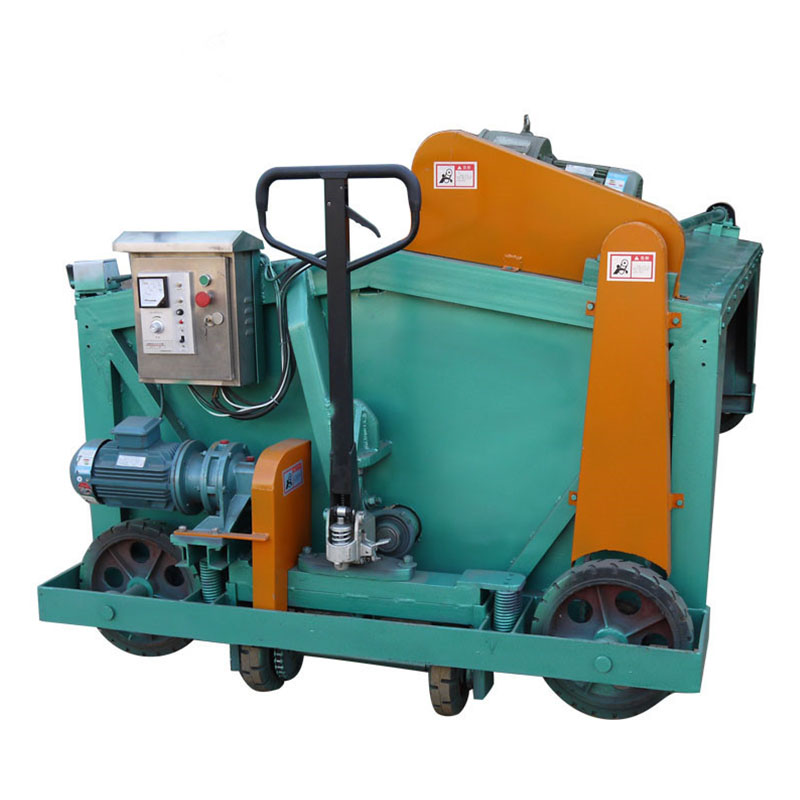
Types of Fermentation Tanks For Soil Health
One of the most important element required for plants is soil. Not only does it form the base for growing fruits and veggies but also filters water, acts as a house for numberless microorganisms... Yet, the fertility and health of soil are frequently compromised by detrimental agricultural practices with over ten thousand conventional fields in chemical fertilizers. Thankfully there is a simple and larger than life solution to this the large fermenter tanks for organic fertilizers. This blog is all about these tanks, the pros of it working and how good they also are to soil health.
What are Fermentation Tanks? A Look inside;
Fermentation tanks are large containers created specifically for the Fertilizer machines process, to convert organic materials into fertilizers. Composting tanks (sometimes also referred to as composting toilets, both in error) are widely available and come in a range of sizes and forms. They are made out of strong materials that can survive all the heat and pressure given from the fermentation process arc.
Benefits of Using the Fermentation Tanks
As organic or residual materials, in these tanks waste almost never goes to waste. Furthermore, these tanks aid in improving soil quality and increasing Fermentation tank productivity by releasing key nutrients to plants as well. , the use of organic fertilizers lowers chances of soil pollution and preserving a healthier ecosystem. In the long term, organic fertilizers cost less than their chemical counterparts.
Introducing Fermentation Tank Advancements
Fermentation tanks have recently come to greater use in the agricultural sector. The new designs have autonomous systems that control temperature (heat or cooling), moisture and humidity settings, airflow etc. These advanced technologies help in continuous monitoring of fermentation and maintain consistency batch to batch for best quality organic fertilizer production. , when tanks are powered by renewable energy such as solar power it can help to reduce the carbon footprint of agriculture.
Precautions of Fermentation Tanks
Fermentation tanks are generally safe, follow the safety guidelines. This includes the use of personal protective equipment and frequent sanitation procedures like Vertical shaft impact crusher whenever handling raw materials, washing all tanks before using them, etc. You should also have enough ventilation to avoid the buildup of toxic gases such as methane and ammonia.
Operating Fermentation Tanks: StepbyStep Guide
The fermentation is nothing more than the degradation of organic materials such as food waste and animal manure by various microorganisms, namely bacteria, fungi. If all things goes well, the oxygen that these animals help them selves to is what would allow you aerate the contents of your tank. The fermentation process may take several weeks depending upon the tank size and material. When it finishes, the compost can be spread on soil to nourish plants.
Quality and Service in Choosing a Fermentation Tank
The quality and the service from a manufacturer is very important when you are selecting fermentation tank. Search for companies that provide guarantees, maintenance services and technical support. Make sure to pick a tank that serves your particular desires, as it may lead in too tiny of an amount of fertilizer and large tanks are obviously more pricey plus unwieldy.
Organic Fertilizers: An Overview of Its Application and Benefits
Using organic fertilizers has countless advantages on the soil health. When these fertilizers are added to the soil, they supply essential nutrients like nitrogen, phosphorous and potassium to improve soil structure as well as fertility. , these act to increase the growth of beneficial microorganisms for aiding in moisture security and prevent erosion. Organicbased fertilizers can be worked into the soil prior to planting or applied on top of the growing bed throughout this season.
The Fermentation Tanks' Effect
Fermentation tanks have various benefits to offer the agriculture sector, as well as greater good on whole. It offers a unique solution to waste circularity, soil enhancing and food security. Consequently, organic fertilizers which are produced in fermentation tanks reveal effective but costly and therefore the only cheap alternative is fertilization with chemical phosphate fertilizer. Fermentation tanks were pivotal in the promotion of soil health and sustainable agriculture, a role which I am sure will continue to gather momentum as more farmers turn towards notillage organic farming.
Comments
Post a Comment