Gauze Bandage Materials: Cotton, Synthetic Blends, and Their Advantages
When you have a cut or abrasion, you want to have the right materials on hand. Gauze bandages are the most commonly used dressings to cover and protect wounds. Types of materials There are different types of materials that have been used to make gauze bandages, such as cotton and synthetic materials such as polyester, rayon, and polypropylene blends. These materials and the benefits are a closer look.
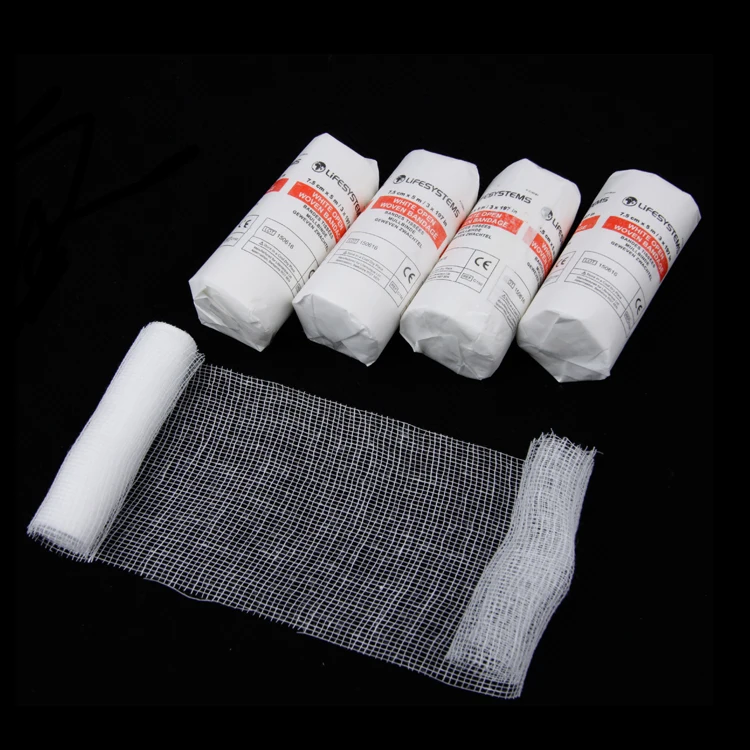
Synthetic Blends Under a Microscope
Cotton is a natural fabric that’s soft and kind to the skin. Because it can absorb moisture and allows air to circulate around a wound and promote healing, it’s often found in gauze bandages. gauze bandage are easy and comfortable to wear.
On the other side, synthetic blends are manufactured from artificial materials such as polyester and rayon. Because these materials can be stronger and less prone to falling to pieces than cotton, they are applied in gauze bandages. Certain synthetic blends even come with special treatments to help prevent germs from causing infections.
Which is Right for You?
For gauze bandages -Cotton or Synthetic Blends When it comes to gauze and bandages whether to choose a cotton or synthetic blend mostly comes down to what you like. And for some, the softness of cotton feels preferable to the strength of synthetic blends. Consider what matters most to you in choosing gauze bandage material.
Comfort Absorbency and More
Cotton gauze bandages are soft and work well for absorbing liquids. They are soft to the skin and further help in keeping the wound clean and dry. Cotton bandage and gauze are also less likely to irritate or create allergic reactions.
Synthetic mixes tend to be stronger, less prone to tearing. They may also be less expensive than cotton gauze bandages. For some, synthetic blends may be less comfortable or breathable than cotton, however.
Long-Lasting Non-Irritating and Multipurpose
Each cotton blend and synthetic blend type has their own unique advantages for a gauze bandage material. Cotton is a soft and absorbent material, so it is a great option for areas that are sensitive, such as your face or hands. Synthetic blends are more rugged garments and may work better in areas that require extra protection, such as knees or elbows.
When it Comes Wound Care
Choose gauze bandage materials based on where the wound is and how large it is. Also, take into account how long the bandage will need to remain on. If you have allergies or sensitivities to certain materials, select a gauze bandage that will provide the protection and comfort you need.
In summary, gauze bandage material has various configurations to include cotton and synthetic blends. Gauze bandages for wound care can be made from a wide variety of materials, and each has its own advantages, so it’s worth considering what you value most when selecting the best gauze bandages for wound care.The WANGHONG bandage rolls are made for your comfort, absorbency, and to be strong for all your wound care product needs!


Comments
Post a Comment