Legal Requirements for Off-Grid Container Living
Who wouldn’t want a container home off the grid, It's call fun! But, to get set such a container home in a remote place one must know about the certain rules to be followed. Here are the eight types of rules that will help you ensure that your off-grid container home is legal.
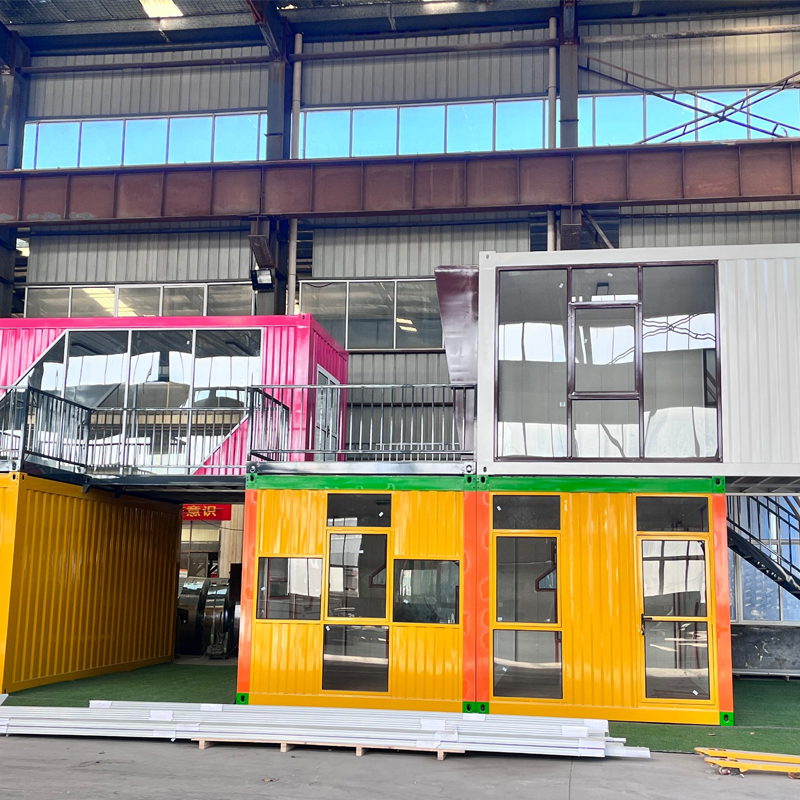
Building Rules for Off-Grid Shipping Container Homes
Zoning and building codes are regulations set by local government. These are rules that tell us where and how buildings can be built. When considering an casa container be sure to consult with a local zoning board. They’ll be able to tell you if your desired spot is suitable for this type of home. Some locations may have regulations about the size or shape of your container home. So, you’ll want to do your homework first!
Obtaining permits and adhering to the laws of Off-Grid Living
Apart from zoning and building codes, you also require building permits for building an casa container modular are pieces of paper that grant you the right of way from the government to build or change something on your property. Obtain all the permits you need before you start building. That would include building, electrical, plumbing, and septic-system permits.
Ensuring What Your Home Has Is up to Health and Safety Standards
Health and safety specifications are regulations for keeping people safe in their homes. These criteria should be also met by oprefabricated container house might include good ventilation, smoke detectors and fire extinguishers. You also have to make sure your house is strong and doesn’t have anything that can put you or your family at risk, all right?
Considering Renewable Energy and Waste for Off Grid Living
One of the cool things about living off the grid is relying on renewable energy, whether from solar power or wind turbines. But, well, you have to abide by the renewable energy rules. This could involve obtaining permits to erect solar panels or wind turbines while ensuring they are installed safely.
Living off the grid would of course have waste management needs too. You must have a plan for disposing of waste in an environmentally friendly way. That might mean composting food scraps, recycling materials and disposing of hazardous waste safely. Following these guidelines can help you help take care of the environment and ensure your off the grid container home is planetary friendly.
Illegal Things to Know About Water Sources and Sewage Systems
When you live off the grid, one of your most important resources will be water: not only will you need a reliable source for drinking water, but also a functional sewage system. This could mean drilling a well for water or having a rainwater collection system. You also want to ensure your water source is safe and your sewage system is functioning properly so you are not contaminating the environment. Knowing these legal items allows you ensure your off-grid container home is safe and legal.
Conclusion
Living in a container house off grid can be fabulous! But, with that freedom comes a lot of responsibility and rules you need to pay attention to. But if you know a little about zoning and building codes, get the right permits, think about health and safety, consider renewable energy and waste management and understand water and sewage rules, you can make sure your off-grid container home is a safe and happy place to live. Begin your adventure of off-grid living now!


Comments
Post a Comment